The Emotional Hangover After a Fight — And Why Shame Isn't Helping You
The Emotional Hangover After a Fight; And Why Shame Isn't Helping You
couples therapy | marriage counseling | seattle | eastside | washington state
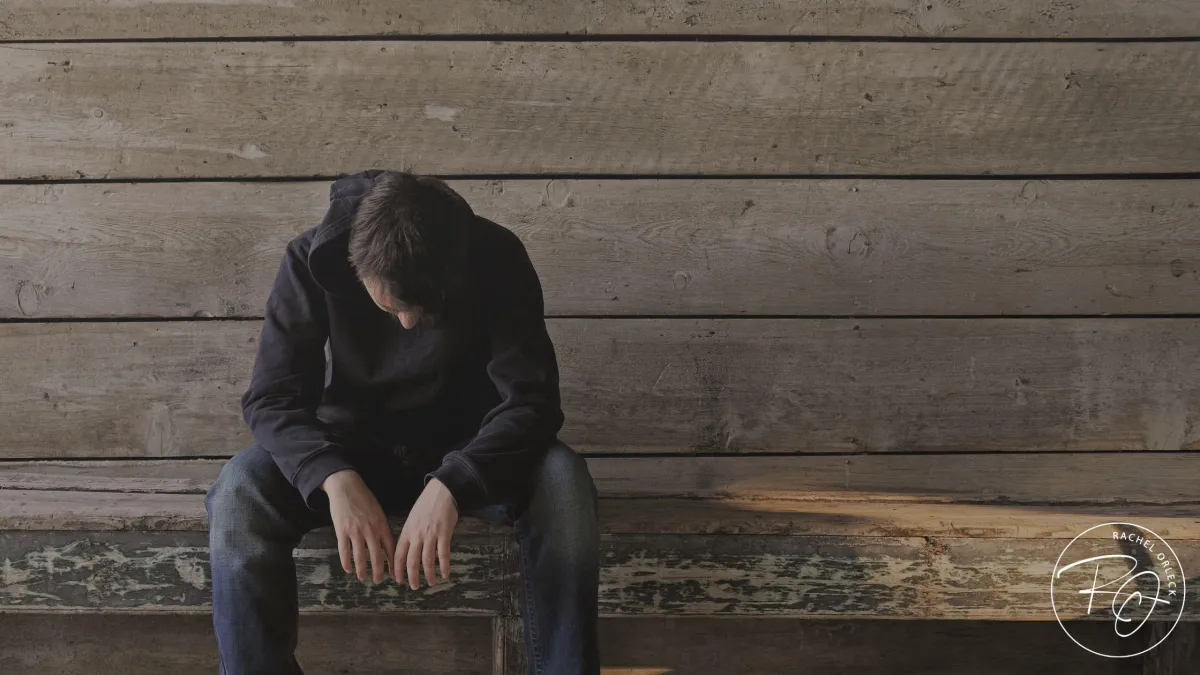
The argument is technically over. Your partner has walked away, the room is quiet. But your chest is still buzzing. You're replaying the words, the tone, the moment it went sideways — and now your inner critic has taken over completely. You should know better. You're the problem. Why do you keep doing this?
If you've ever found yourself in that spiral after a conflict — whether you lashed out, shut down, over-explained, or just cried — you know this part can feel worse than the argument itself. During the fight, at least you were defending something. Afterward, you're just sitting in the wreckage, alone with everything you wish you'd done differently.
Why insight doesn't protect you from this
One of the most disorienting things about this experience is that it doesn't spare people who understand their patterns. You can know exactly what triggered you, exactly which attachment fear got activated, exactly what the cycle looked like in real time — and still find yourself three hours later picking apart every word you said.
Your nervous system doesn't care how much you understand. In moments of stress it reaches for whatever kept you safe before — shutting down, over-explaining, fawning, fighting back. And when those old strategies run anyway, despite everything you know, shame moves in fast.
That shame spiral isn't proof that you've failed. It's proof that your system is still on high alert, still scanning for danger even after the argument has ended. It makes complete sense. It's also not helping you.
I go deeper on this in this week's episode of Coupled With... — specifically why post-conflict shame feels so compelling and why it consistently gets in the way of the repair that actually matters.
What the shame loop is really doing
There's a reason shame feels so much like accountability — it has the same serious, self-examining quality. But they're not the same thing.
Shame, after a fight, tends to operate as a control strategy. If the problem is you, then you can fix you. And if you can fix you, maybe you can prevent this from happening again. It feels like responsibility. It functions more like self-punishment — and self-punishment, however earnest, doesn't actually create the safety that makes repair possible.
The couples I work with in my Seattle practice who get most stuck after conflict aren't the ones who don't care. They're the ones who care so much that they turn every rupture into evidence of something fundamentally wrong with themselves. They over-apologize from guilt instead of genuine care. They explain at length, trying to retroactively fix something that needed presence more than it needed words. They come to the repair depleted, which means they don't have much left to actually give.
The shift that changes what comes after
After a hard moment with your partner, there are two directions you can go. The shame spiral pulls you inward and downward — your worth becomes a verdict, and everything gets filtered through what that fight says about you as a partner. The other direction is harder to find in the moment but more useful: turning toward yourself with the same care you'd want to offer your partner.
Not performing self-compassion. Just pausing long enough to notice that your body is still activated, and giving it something before you try to solve anything.
It can look as simple as naming what's happening — this is a shame spiral, not a verdict — and doing one small thing that lets your nervous system settle. A glass of water. Stepping outside. Sitting somewhere quiet. Not to avoid the repair that needs to happen, but to make sure you can actually show up for it.
You can't repair from depletion. You can't offer genuine accountability from inside a shame loop. Coming back to yourself first isn't avoidance — it's what makes the repair real.
Listen to the Coupled With... podcast episode below
What this has to do with your relationship
Post-conflict shame is rarely just a personal experience. It shapes how repair happens — or doesn't. When one partner is deep in self-blame, the apology that follows tends to be about relieving their own distress more than genuinely reconnecting. The other partner can often feel the difference, even if they can't name it.
When both people can settle enough to come back to each other from a grounded place — not perfect, not fully resolved, but present — that's when repair actually lands. That's when trust gets built, incrementally, over the accumulation of fights that got worked through rather than gotten over.
If this cycle is a familiar one in your relationship — conflict followed by shame followed by repair that never quite feels complete — that's worth exploring with support. I work with couples throughout Washington state who are ready to stop spiraling and start actually shifting.
Rachel Orleck, Psy.D., is a licensed psychologist and certified EFT couples therapist with over 12 years of experience working with couples in distress. She offers couples therapy in Seattle, Eastside, and all Washington state.
